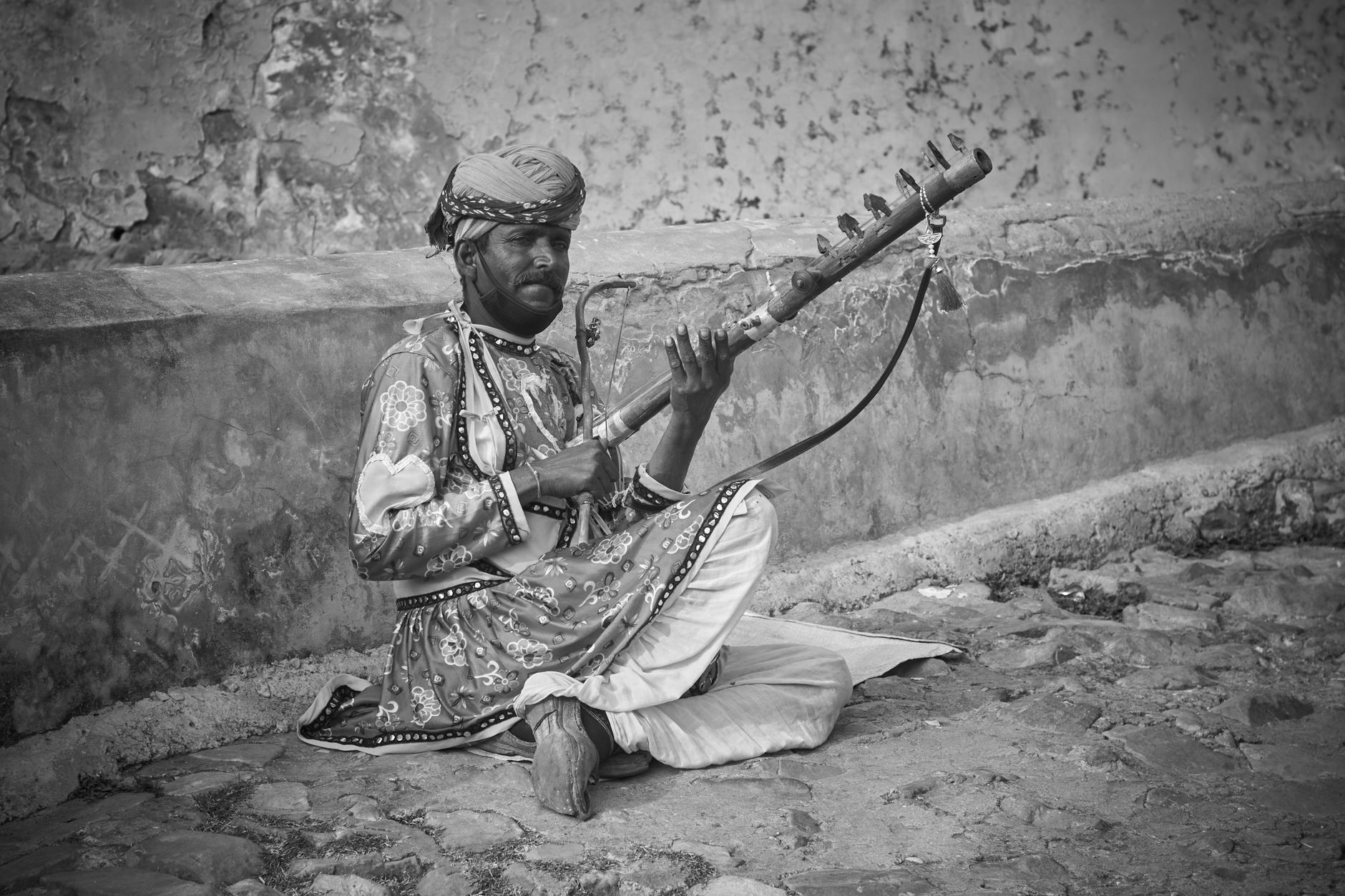
The songs Bihar carried for generations.
Folk voices, regional sounds and forgotten musical traditions that travelled from villages into memory.
Bihar’s music was never meant for a stage. It was written into the rhythm of transplanting rice, of a wedding procession, of a child being welcomed home. Sohar for birth. Chaita for spring. Kajri for the monsoon. Pachra for the goddess. Nirgun for grief.
The songs travelled with labourers to Mauritius, Fiji, Trinidad, Suriname — which is how Bhojpuri became one of the most globally-diffused folk languages of the twentieth century, sung today by people whose great-grandparents left Bihar and never came back.
What is astonishing is how much is still alive. Sit in a courtyard in Madhubani on a winter morning and there is a decent chance a group of older women will start a Sohar without any prompt.
Every village keeps its own catalogue in its head. Untold Bihar is trying to catch what we can of it before the last people who remember it forget.
“Sohar for birth. Chaita for spring. Kajri for the monsoon. Nirgun for grief.”

More dispatches.
 History
The university the world once came to.
Long before modern campuses, scholars travelled across Asia to study at Nalanda.
 Hidden Bihar
These caves are more than 2,000 years old.
Polished into raw granite hills, older than most empires you have read about.
 Nature
The wild side of Bihar.
Tigers, rivers and monsoon forests inside Valmiki Tiger Reserve.